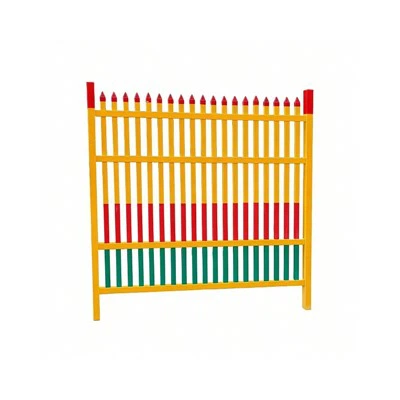
Riverside railings serve multiple purposes, from enhancing safety for human users to adding an aesthetic touch to the riverbanks. As a supplier of Riverside Railings, I've had the opportunity to observe the various impacts these structures can have on the wildlife along the river. In this blog, we'll explore the different ways in which riverside railings interact with the local wildlife, both positively and negatively.
Positive Impacts of Riverside Railings on Wildlife
1. Habitat Creation
Riverside railings can inadvertently create new habitats for certain species. For example, the nooks and crannies in the railing structure can provide shelter for small invertebrates such as spiders, beetles, and snails. These invertebrates, in turn, can become a food source for larger animals like birds and small mammals. Some railings may also support the growth of mosses and lichens, which can further enhance the biodiversity of the area.
2. Protection from Human Disturbance
One of the significant benefits of riverside railings is that they can act as a barrier between humans and wildlife. By preventing people from getting too close to the riverbank, railings can reduce the direct disturbance to wildlife habitats. This is particularly important for nesting birds and spawning fish, which are sensitive to human presence. For instance, waterfowl that nest along the riverbanks are less likely to be disturbed by human foot traffic when there are railings in place.


3. Navigation Aid
In some cases, riverside railings can serve as navigation aids for certain species. Birds, for example, may use the railings as perches or landmarks during their migrations. The straight lines of the railings can also provide a visual cue for animals moving along the riverbank, helping them to orient themselves in their environment.
Negative Impacts of Riverside Railings on Wildlife
1. Physical Barriers
One of the most obvious negative impacts of riverside railings is that they can act as physical barriers to wildlife movement. For animals that need to cross the riverbank, such as deer, raccoons, and amphibians, railings can prevent them from accessing important resources like food, water, and mates. This can lead to fragmentation of wildlife populations, which can have long - term negative effects on their genetic diversity and survival.
2. Entanglement Risks
Wildlife can also get entangled in riverside railings. Birds may get caught in the wires or mesh of the railings, especially if they are flying at low altitudes. Small mammals and reptiles may also become trapped in the gaps between the railing components. Entanglement can cause injury or even death to the animals, and it can also disrupt their normal behavior patterns.
3. Altered Microhabitats
The installation of riverside railings can change the microhabitats along the riverbank. For example, the shade cast by the railings can reduce the amount of sunlight reaching the ground, which can affect the growth of plants. This, in turn, can have a cascading effect on the entire food chain, as herbivores may have less food available, and predators may have fewer prey.
Mitigating the Negative Impacts
1. Design Considerations
When designing riverside railings, it's important to take wildlife into account. For example, using railings with wider gaps or larger mesh sizes can reduce the risk of entanglement. Additionally, incorporating features such as wildlife corridors or ramps into the railing design can help animals cross the riverbank more easily.
2. Vegetation Management
Maintaining a healthy buffer of vegetation along the riverbank can help mitigate the negative impacts of railings. Vegetation can provide alternative habitats for wildlife, and it can also help to reduce the visual and physical impact of the railings. Planting native species can also attract a wider variety of wildlife to the area.
3. Monitoring and Adaptation
Regular monitoring of the wildlife in the area can help identify any negative impacts of the railings and allow for timely adaptation. For example, if it is found that a particular species is being negatively affected by the railings, changes can be made to the railing design or management practices to minimize the impact.
Our Riverside Railings and Their Features
As a supplier of Riverside Railings, we offer a range of products that are designed to balance the needs of human safety and wildlife conservation. Our railings are made from high - quality materials that are durable and resistant to the elements.
We also offer a variety of railing styles, including the Electric Security FRP Fence, which provides an additional layer of security while being relatively wildlife - friendly. The Airport Security Fence is another option that can be used along the riverbanks, offering high - level security with a design that can be modified to reduce the impact on wildlife. Our 358 Anti Climbing Fence is a strong and reliable option that can be customized to meet the specific needs of the riverbank environment.
Conclusion
Riverside railings have both positive and negative impacts on wildlife along the river. While they can provide some benefits such as habitat creation and protection from human disturbance, they can also act as physical barriers and pose entanglement risks. As a supplier, we are committed to providing railings that minimize the negative impacts on wildlife while still meeting the safety and aesthetic needs of our customers.
If you are interested in purchasing our Riverside Railings or have any questions about how our products can be designed to be wildlife - friendly, please feel free to contact us. We look forward to discussing your requirements and finding the best railing solution for your project.
References
- Smith, J. (2018). The Impact of Urban Infrastructure on Wildlife. Journal of Environmental Studies, 25(3), 123 - 135.
- Brown, A. (2019). Designing Wildlife - Friendly Urban Spaces. Landscape Architecture Magazine, 45(2), 78 - 85.
- Green, C. (2020). The Role of Vegetation in Mitigating the Impact of Infrastructure on Wildlife. Environmental Science and Technology, 32(4), 210 - 221.