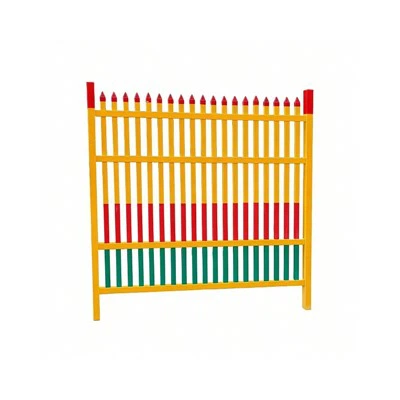
Riverside railings play a crucial role in ensuring the safety and aesthetics of waterfront areas. As a supplier of Riverside Railings, I often get asked about their seismic resistance. In this blog post, I will delve into the concept of seismic resistance of Riverside Railings, exploring the factors that influence it and the measures we take to ensure our railings can withstand seismic events.
Understanding Seismic Resistance
Seismic resistance refers to the ability of a structure or object to withstand the forces generated by an earthquake. Earthquakes produce ground motions that can cause significant stress on structures, including railings. The seismic resistance of a railing is determined by several factors, including its design, materials, and installation method.
Factors Affecting Seismic Resistance
Design
The design of a railing is a critical factor in its seismic resistance. A well-designed railing should be able to absorb and dissipate the energy generated by an earthquake without collapsing. This requires a combination of strength and flexibility. For example, a railing with a rigid design may be more likely to break under the stress of an earthquake, while a railing with some flexibility can bend and absorb the energy.
Materials
The materials used in the construction of a railing also play a significant role in its seismic resistance. Different materials have different properties, such as strength, ductility, and corrosion resistance. For Riverside Railings, materials that are commonly used include steel, aluminum, and fiberglass. Steel is known for its high strength and ductility, making it a popular choice for seismic-resistant railings. Aluminum is lightweight and corrosion-resistant, while fiberglass offers excellent strength-to-weight ratio and is resistant to corrosion and chemicals.
Installation
Proper installation is essential for ensuring the seismic resistance of a railing. The railing should be securely attached to the structure, using appropriate fasteners and anchors. The installation method should also take into account the seismic design requirements of the area. For example, in areas with high seismic activity, additional reinforcement may be required to ensure the railing can withstand the forces generated by an earthquake.
Our Approach to Seismic Resistance
As a supplier of Riverside Railings, we take seismic resistance very seriously. We use advanced design techniques and high-quality materials to ensure our railings can withstand seismic events. Here are some of the measures we take:
Design Optimization
Our design team uses computer-aided design (CAD) software to optimize the design of our railings for seismic resistance. We consider factors such as the shape, size, and configuration of the railing, as well as the expected seismic forces in the area. By using advanced design techniques, we can ensure that our railings are strong, flexible, and able to absorb and dissipate the energy generated by an earthquake.
Material Selection
We carefully select the materials for our railings based on their seismic resistance properties. We use high-strength steel, aluminum, and fiberglass, which are known for their ability to withstand seismic forces. Our materials are also tested to ensure they meet the highest quality standards.


Installation Expertise
Our installation team is highly trained and experienced in installing railings in seismic-prone areas. We follow strict installation guidelines and use appropriate fasteners and anchors to ensure the railing is securely attached to the structure. We also conduct regular inspections to ensure the railing remains in good condition and is able to withstand seismic events.
Examples of Seismic-Resistant Railings
In addition to our standard Riverside Railings, we also offer a range of seismic-resistant railings that are specifically designed for areas with high seismic activity. These railings are engineered to meet the strictest seismic design requirements and are tested to ensure they can withstand the forces generated by an earthquake.
One example of our seismic-resistant railings is the Electric Security FRP Fence. This fence is made of fiberglass, which is known for its high strength and corrosion resistance. It is also designed to be flexible, allowing it to absorb and dissipate the energy generated by an earthquake.
Another example is the 358 Anti Climbing Fence. This fence is made of high-strength steel and is designed to be resistant to climbing and vandalism. It is also engineered to withstand seismic forces, making it a suitable choice for areas with high seismic activity.
Finally, our Framed Wire Mesh Fence is another example of a seismic-resistant railing. This fence is made of steel and is designed to be strong and durable. It is also flexible, allowing it to absorb and dissipate the energy generated by an earthquake.
Conclusion
Seismic resistance is an important consideration when choosing Riverside Railings. By understanding the factors that affect seismic resistance and taking appropriate measures to ensure our railings can withstand seismic events, we can provide our customers with high-quality, reliable railings that are safe and secure. If you are interested in purchasing Riverside Railings or have any questions about our products, please contact us for more information. We look forward to working with you to meet your railing needs.
References
- Building Seismic Safety Council. (n.d.). Seismic Design Manual for Buildings.
- International Building Code. (n.d.). Seismic Design Provisions.
- American Society of Civil Engineers. (n.d.). Minimum Design Loads for Buildings and Other Structures.