(1) According to material, steel gratings are classified as: stainless steel gratings and carbon steel gratings.
(2) According to welding method, they can be classified as: pressure welded type, interlocking type, through-locking type, and through-welded type.
(3) According to their use, they can be classified as: general purpose steel gratings and special purpose steel gratings, such as: trench covers, stair treads, etc.
(4) According to the shape of the outer surface of the load-bearing flat steel side, they can be classified as: flat type, serrated type, and "I" type, etc.
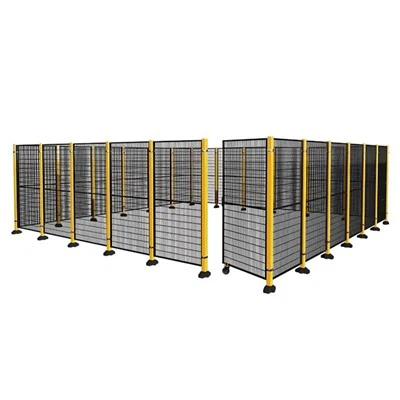
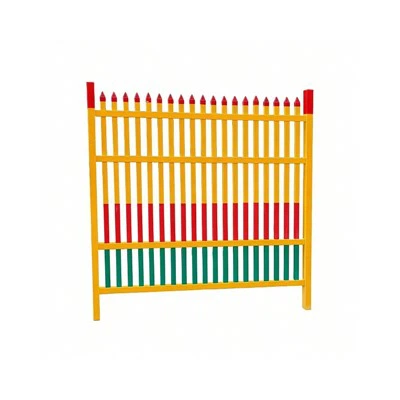
Applications: Steel gratings are widely used in petrochemical, power, water supply, sewage treatment, port terminals, building decoration, shipbuilding, self-propelled parking lots, municipal engineering, environmental sanitation engineering, etc., for platforms, walkways, trestle bridges, trench covers, manhole covers, ladders, fences, etc.
The core advantage of stainless steel gratings lies in their material-stainless steel. Stainless steel is an alloy steel containing at least 10.5% chromium, which allows it to form a dense chromium oxide protective film in the air, effectively preventing further oxidation and corrosion. This gives stainless steel grating excellent corrosion resistance and durability. Furthermore, stainless steel grating has good load-bearing capacity; its structural design makes it relatively lightweight yet strong, capable of withstanding large loads without deformation.