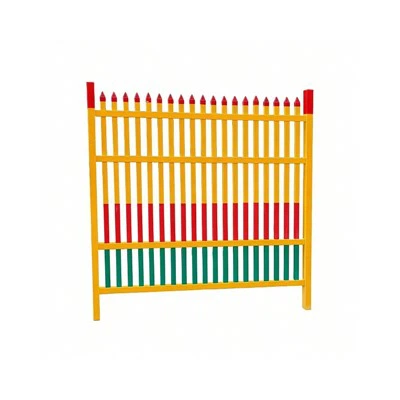
Are fall protection safety rails recyclable? This is a question that not only concerns environmentalists but also those in the construction and safety industries. As a supplier of fall protection safety rails, I've been asked this question numerous times. In this blog post, I'll delve into the recyclability of fall protection safety rails, exploring the materials they're made of, the recycling process, and the benefits of recycling these essential safety components.
Materials Used in Fall Protection Safety Rails
Fall protection safety rails are typically made from a variety of materials, each with its own recyclability characteristics. The most common materials include steel, aluminum, and sometimes plastic.
Steel
Steel is a popular choice for fall protection safety rails due to its strength and durability. It can withstand heavy impacts and harsh weather conditions, making it ideal for outdoor applications. Steel is also highly recyclable. In fact, steel is one of the most recycled materials in the world. According to the American Iron and Steel Institute, the recycling rate of steel in the United States is over 80%. When steel safety rails reach the end of their useful life, they can be melted down and reused to make new steel products, including more safety rails.
Aluminum
Aluminum is another material commonly used in fall protection safety rails. It is lightweight, corrosion-resistant, and has a high strength-to-weight ratio. Aluminum is also very recyclable. Recycling aluminum requires only about 5% of the energy needed to produce new aluminum from bauxite ore. This makes it an environmentally friendly choice for safety rails. Similar to steel, aluminum safety rails can be recycled at the end of their life cycle and used to create new aluminum products.
Plastic
Some fall protection safety rails are made from plastic materials. While plastic is generally recyclable, the process can be more complex compared to metals. Different types of plastics have different recycling requirements, and not all plastic waste is accepted by recycling facilities. However, with advancements in recycling technology, more and more plastic safety rails can be recycled. For example, some manufacturers are now using recycled plastic in the production of new safety rails, closing the loop on the recycling process.
The Recycling Process
The recycling process for fall protection safety rails depends on the material they are made of. Here's a general overview of how the recycling process works for steel, aluminum, and plastic safety rails.
Steel Recycling
The first step in recycling steel safety rails is to collect them. This can be done through scrap metal collection services or directly from construction sites. Once the rails are collected, they are sorted by type and quality. The sorted steel is then transported to a recycling facility, where it is melted in a furnace. During the melting process, impurities are removed, and the molten steel is cast into new shapes, such as bars or sheets, which can be used to manufacture new safety rails or other steel products.


Aluminum Recycling
Aluminum safety rails are collected in a similar way to steel rails. After collection, they are sorted and cleaned to remove any contaminants. The cleaned aluminum is then melted in a furnace at a relatively low temperature compared to steel. The molten aluminum is then cast into ingots, which can be further processed into new aluminum products. The recycling of aluminum is highly efficient, as it can be recycled repeatedly without losing its properties.
Plastic Recycling
Recycling plastic safety rails is a bit more complicated. First, the plastic rails are collected and sorted by type. Different types of plastics have different melting points and chemical properties, so it's important to separate them properly. The sorted plastic is then shredded into small pieces and washed to remove any dirt or debris. The shredded plastic is then melted and extruded into new plastic products. However, not all plastic recycling facilities accept all types of plastic, so it's important to check with local recycling centers to ensure proper disposal.
Benefits of Recycling Fall Protection Safety Rails
Recycling fall protection safety rails offers several benefits, both for the environment and the economy.
Environmental Benefits
Recycling reduces the demand for virgin materials, which helps to conserve natural resources. For example, recycling steel saves iron ore, coal, and limestone, while recycling aluminum saves bauxite ore. Recycling also reduces energy consumption and greenhouse gas emissions. As mentioned earlier, recycling aluminum requires only a fraction of the energy needed to produce new aluminum from ore. By recycling fall protection safety rails, we can minimize our environmental impact and contribute to a more sustainable future.
Economic Benefits
Recycling fall protection safety rails can also have economic benefits. Recycling creates jobs in the recycling and manufacturing industries. It also reduces the cost of producing new safety rails, as recycled materials are often cheaper than virgin materials. Additionally, recycling can help to reduce waste disposal costs for construction companies and other users of fall protection safety rails.
Our Product Range and Sustainability
As a supplier of fall protection safety rails, we are committed to sustainability. We offer a wide range of safety rails made from recyclable materials, including steel, aluminum, and plastic. Our Framed Wire Mesh Fence is a popular choice for fall protection. It is made from high-quality steel wire mesh and is designed to provide reliable protection. Our Decorative Pedestrian Guardrails are not only functional but also add an aesthetic touch to any environment. They are available in a variety of styles and materials, including aluminum and steel. We also offer 3D Welded Wire Mesh Fence, which is a strong and durable option for fall protection.
Conclusion
In conclusion, fall protection safety rails made from steel, aluminum, and plastic are generally recyclable. Recycling these materials offers significant environmental and economic benefits. As a supplier, we are dedicated to providing high-quality, recyclable safety rails to our customers. If you're in the market for fall protection safety rails, we invite you to contact us to discuss your specific needs. Our team of experts can help you choose the right product for your application and provide you with detailed information on the recyclability and sustainability of our products.
References
- American Iron and Steel Institute. (Year). Steel Recycling Facts.
- Aluminum Association. (Year). Aluminum Recycling: A Sustainable Success Story.
- Environmental Protection Agency. (Year). Recycling Basics.