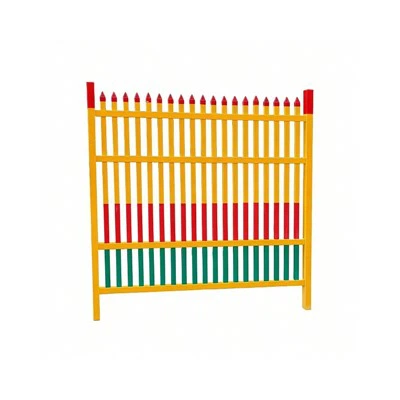
As a supplier of compound steel grating, I've witnessed firsthand the widespread use of this versatile product across various industries. Compound steel grating is a popular choice due to its strength, durability, and cost - effectiveness. However, it's crucial to understand the environmental impacts associated with its use. In this blog, I'll explore both the positive and negative environmental aspects of compound steel grating.
Positive Environmental Impacts
Durability and Long - Term Use
One of the most significant environmental benefits of compound steel grating is its durability. Steel is a strong material that can withstand heavy loads, harsh weather conditions, and chemical exposure. This means that compound steel grating has a long service life, often lasting for decades without significant degradation. As a result, less frequent replacement is required compared to other materials. For example, wooden gratings may need to be replaced every few years due to rot and decay, while a well - maintained compound steel grating can serve its purpose for 20 - 30 years or more. This reduces the demand for new raw materials and minimizes waste generation over time.


Recyclability
Steel is one of the most recycled materials in the world. At the end of its useful life, compound steel grating can be recycled and used to produce new steel products. Recycling steel requires significantly less energy compared to producing steel from raw iron ore. According to the World Steel Association, recycling steel can save up to 75% of the energy needed for primary steel production. This energy savings translates into reduced greenhouse gas emissions, as less fossil fuel is burned in the production process. Moreover, recycling steel helps to conserve natural resources such as iron ore, coal, and limestone.
Reduced Maintenance Requirements
Compound steel grating generally has low maintenance requirements. Unlike some materials that need regular painting, sealing, or treatment to prevent corrosion and deterioration, steel grating can often be left untreated or simply require occasional cleaning. This reduces the use of chemicals and other maintenance - related products, which can have negative environmental impacts. For instance, some paints and sealants contain volatile organic compounds (VOCs) that can be released into the atmosphere, contributing to air pollution.
Negative Environmental Impacts
Energy - Intensive Production
The production of compound steel grating is energy - intensive. The process of extracting iron ore, refining it into steel, and then fabricating the grating requires a large amount of energy, primarily from fossil fuels. The burning of fossil fuels releases greenhouse gases such as carbon dioxide, which contribute to global warming. Additionally, the mining of iron ore can have significant environmental impacts, including habitat destruction, soil erosion, and water pollution. For example, the extraction of iron ore often involves open - pit mining, which can disrupt ecosystems and contaminate nearby water sources with heavy metals and sediment.
Corrosion and Rust
Although steel is a durable material, it is susceptible to corrosion and rust when exposed to moisture and certain chemicals. To prevent corrosion, steel grating is often coated with protective layers such as galvanization. While galvanization can extend the lifespan of the grating, the process itself has environmental implications. Galvanizing involves dipping the steel into a bath of molten zinc, which requires a significant amount of energy. Moreover, the zinc used in galvanization is a finite resource, and its extraction and processing can have environmental impacts.
Transportation
Transporting compound steel grating from the manufacturing facility to the end - user also has environmental consequences. The transportation of heavy steel products typically requires large trucks or ships, which consume a significant amount of fuel and emit greenhouse gases. The longer the distance of transportation, the greater the environmental impact. Additionally, the packaging materials used to protect the grating during transportation, such as wooden pallets and plastic wraps, can contribute to waste generation.
Mitigating the Environmental Impacts
Sustainable Production Practices
As a compound steel grating supplier, we are committed to implementing sustainable production practices. This includes using energy - efficient technologies in our manufacturing processes, such as high - efficiency furnaces and advanced recycling systems. We also source our raw materials from suppliers who adhere to sustainable mining practices. By reducing our energy consumption and minimizing waste generation during production, we can lower the environmental impact of our products.
Green Design and Installation
We encourage our customers to consider green design principles when using compound steel grating. For example, proper installation can ensure that the grating is used efficiently and effectively, reducing the need for additional materials. Additionally, we offer Galvanized Steel Bar Grating, which has a longer lifespan and better corrosion resistance compared to non - galvanized options. This can reduce the frequency of replacement and further minimize environmental impacts.
Recycling and Reuse
We actively promote the recycling and reuse of our compound steel grating products. At the end of their useful life, we can assist our customers in recycling the grating or finding new applications for it. By diverting steel from landfills and reintroducing it into the production cycle, we can conserve natural resources and reduce the energy required for new steel production.
Conclusion
Compound steel grating offers many advantages in terms of strength, durability, and cost - effectiveness. However, it's important to be aware of its environmental impacts. While there are some negative aspects associated with its production, use, and disposal, there are also significant opportunities to mitigate these impacts through sustainable practices. As a supplier, we are dedicated to minimizing the environmental footprint of our products and working with our customers to make more environmentally responsible choices.
If you are interested in purchasing compound steel grating or have any questions about our products, we invite you to contact us for a detailed discussion. We are ready to provide you with high - quality products and professional advice to meet your specific needs. Whether you need Heavy Duty Steel Grating for industrial applications or Special Shaped Steel Grating for unique projects, we have the expertise and resources to assist you.
References
- World Steel Association. (2023). The Environmental Benefits of Steel Recycling.
- American Iron and Steel Institute. (2022). Steel Industry Environmental Performance Report.