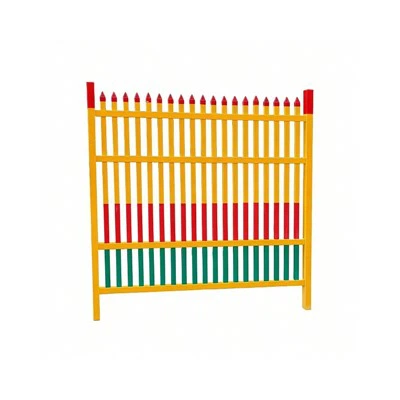
Hey there! As a supplier of Fall Protection Safety Rails, I've been getting a lot of questions lately about whether these safety rails are suitable for historical buildings. It's a really interesting topic, and I'm excited to share my thoughts with you.
First off, let's talk about what fall protection safety rails are. These are basically barriers that are installed to prevent people from falling off elevated surfaces, like balconies, rooftops, or stairways. They're an essential safety feature in many modern buildings, but when it comes to historical buildings, things get a little more complicated.
Historical buildings are unique. They have a lot of character and charm, and they're often protected by local or national regulations. These regulations are in place to preserve the historical and architectural integrity of the buildings, which means that any modifications or additions need to be carefully considered.
So, are fall protection safety rails suitable for historical buildings? Well, the answer is yes, but with some caveats. The key is to find a balance between safety and preservation. You want to install safety rails that will protect people from falls, but you also don't want to damage or detract from the historical character of the building.
One of the main challenges when installing fall protection safety rails on historical buildings is finding a design that fits in with the existing architecture. You don't want to install a modern, industrial-looking rail on a building that has a traditional, historic style. Instead, you need to look for rails that are designed to blend in with the building's aesthetic.
There are a few different options when it comes to fall protection safety rails for historical buildings. One option is to use custom-made rails that are designed specifically for the building. These rails can be made to match the style and materials of the building, which means they'll look like they've always been there.
Another option is to use pre-fabricated rails that are designed to be more discreet. These rails are often made from materials like stainless steel or aluminum, which are durable and low-maintenance. They can be installed in a way that minimizes their impact on the building's appearance.
In addition to finding the right design, it's also important to make sure that the safety rails are installed correctly. This means working with a professional installer who has experience working on historical buildings. They'll be able to ensure that the rails are installed in a way that doesn't damage the building, and that they meet all the necessary safety standards.
Now, let's talk about some of the benefits of installing fall protection safety rails on historical buildings. First and foremost, they provide an important safety feature for people who use the building. Whether it's a museum, a historic home, or a public building, fall protection safety rails can help prevent accidents and injuries.
In addition to safety, fall protection safety rails can also add value to a historical building. They can make the building more attractive to potential buyers or visitors, and they can help preserve the building's historical integrity.
Of course, there are also some potential drawbacks to installing fall protection safety rails on historical buildings. One of the main concerns is that they can be expensive. Custom-made rails can be particularly costly, and the installation process can also be time-consuming and labor-intensive.
Another concern is that the installation of safety rails can sometimes damage the building. This is why it's so important to work with a professional installer who has experience working on historical buildings. They'll be able to minimize the risk of damage and ensure that the rails are installed correctly.
So, if you're considering installing fall protection safety rails on a historical building, what should you do? First, you need to do your research. Look for a supplier who has experience working with historical buildings, and who can provide you with a range of options for fall protection safety rails.
You should also consult with a professional architect or historian who can help you determine the best way to install the rails without damaging the building. They can provide you with valuable insights and recommendations based on their knowledge of historical architecture.
Finally, don't be afraid to ask questions. A good supplier will be happy to answer any questions you have about fall protection safety rails, and they'll be able to provide you with more information about the installation process.
If you're interested in learning more about fall protection safety rails for historical buildings, or if you're ready to start the process of installing them, I'd love to hear from you. You can visit our website to learn more about our products and services, or you can contact us directly to schedule a consultation.


In addition to fall protection safety rails, we also offer a range of other safety products, including Residential Security Fence, 3D Welded Wire Mesh Fence, and Electric Security FRP Fence. These products are designed to provide additional security and protection for your property.
So, if you're looking for high-quality fall protection safety rails or other safety products, don't hesitate to get in touch. We're here to help you find the right solution for your needs, and we're committed to providing you with the best possible service.
References:
- "Historical Building Preservation: A Guide for Owners and Managers" by the National Park Service
- "Fall Protection Systems and Equipment: Selection, Use, and Maintenance" by the Occupational Safety and Health Administration (OSHA)
- "Architectural Design for Historical Buildings" by John Doe