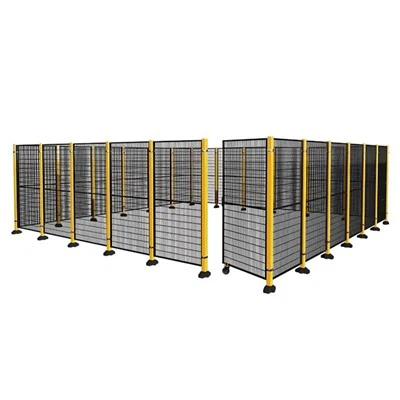
Training climbing plants on a wire mesh fence is an excellent way to transform a simple fence into a lush, green, and visually appealing structure. As a wire mesh fence supplier, I've witnessed firsthand how the right combination of plants and fencing can create a beautiful and functional outdoor space. In this blog, I'll share some practical tips on how to train climbing plants on a wire mesh fence effectively.
Selecting the Right Climbing Plants
The first step in training climbing plants on a wire mesh fence is to choose the right plants for your climate, soil conditions, and aesthetic preferences. Some popular climbing plants include clematis, jasmine, ivy, wisteria, and climbing roses. Each of these plants has unique growth habits, light requirements, and maintenance needs.
- Clematis: Clematis is a versatile climbing plant that comes in a wide range of colors and flower shapes. It prefers full sun to partial shade and well-drained soil. Clematis can be trained to climb up a wire mesh fence by tying its stems to the fence using soft twine or plant ties.
- Jasmine: Jasmine is known for its fragrant flowers and fast-growing nature. It thrives in full sun and well-drained soil. Jasmine can be trained to climb a wire mesh fence by gently guiding its stems through the mesh and securing them with ties.
- Ivy: Ivy is a hardy and low-maintenance climbing plant that can grow in a variety of light conditions. It attaches itself to surfaces using aerial roots, making it an ideal choice for a wire mesh fence. Ivy can quickly cover a fence, creating a dense green wall.
- Wisteria: Wisteria is a beautiful and dramatic climbing plant with long, cascading clusters of flowers. It requires full sun and well-drained soil. Wisteria can be trained to climb a wire mesh fence by pruning and training its branches to grow along the fence.
- Climbing Roses: Climbing roses add a touch of elegance and romance to a wire mesh fence. They prefer full sun and well-drained soil. Climbing roses can be trained to climb a fence by tying their canes to the fence and pruning them regularly to encourage new growth.
Preparing the Wire Mesh Fence
Before planting your climbing plants, it's important to prepare the wire mesh fence to ensure that the plants have a stable and secure structure to climb on. Here are some steps to follow:
- Install the Fence Properly: Make sure the wire mesh fence is installed correctly and securely. The fence should be firmly anchored to the ground and any support posts should be sturdy.
- Clean the Fence: Remove any dirt, debris, or rust from the wire mesh fence. This will help the plants attach to the fence more easily and prevent any potential damage to the plants.
- Add Support: If the wire mesh fence is not strong enough to support the weight of the climbing plants, you may need to add additional support. This can be done by installing horizontal or vertical wires or by using a trellis system.
Planting the Climbing Plants
Once the wire mesh fence is prepared, it's time to plant the climbing plants. Here are some tips to ensure successful planting:


- Choose the Right Location: Select a location for your climbing plants that receives the appropriate amount of sunlight and has well-drained soil. Make sure the plants are planted at the base of the wire mesh fence, with enough space for them to grow and spread.
- Dig the Holes: Dig holes that are slightly larger than the root balls of the plants. Make sure the holes are deep enough to accommodate the roots without crowding them.
- Plant the Plants: Place the plants in the holes and backfill with soil. Gently firm the soil around the plants to ensure good contact with the roots.
- Water the Plants: Water the plants thoroughly after planting to help them establish their roots. Keep the soil moist but not waterlogged.
Training the Climbing Plants
Training the climbing plants to grow on the wire mesh fence is an important step in creating a beautiful and healthy garden. Here are some tips on how to train the plants effectively:
- Start Early: Begin training the plants as soon as they start to grow. This will help them develop a strong and healthy growth pattern.
- Use Soft Ties: Use soft twine or plant ties to secure the plant stems to the wire mesh fence. Avoid using wire or other materials that may damage the plants.
- Guide the Stems: Gently guide the plant stems through the wire mesh fence, encouraging them to grow in the desired direction. You can use your hands or a small tool to help guide the stems.
- Prune Regularly: Prune the plants regularly to remove any dead or damaged branches and to encourage new growth. This will help keep the plants healthy and looking their best.
Maintenance and Care
Proper maintenance and care are essential for the health and beauty of your climbing plants. Here are some tips to keep your plants in good condition:
- Watering: Water the plants regularly, especially during dry periods. Make sure the soil is moist but not waterlogged.
- Fertilizing: Fertilize the plants regularly with a balanced fertilizer to provide them with the nutrients they need to grow and thrive.
- Pruning: Prune the plants regularly to remove any dead or damaged branches and to encourage new growth. This will help keep the plants healthy and looking their best.
- Pest and Disease Control: Keep an eye out for pests and diseases that may affect your climbing plants. If you notice any problems, take action immediately to prevent the spread of the pests or diseases.
Conclusion
Training climbing plants on a wire mesh fence is a great way to add beauty and functionality to your outdoor space. By selecting the right plants, preparing the fence properly, and providing the plants with the care and maintenance they need, you can create a stunning garden that will be the envy of your neighbors.
If you're interested in purchasing a wire mesh fence for your climbing plants, we offer a wide range of high-quality Decorative Pedestrian Guardrails, Double Wire Fence, and Riverside Railings. Our fences are durable, stylish, and designed to provide a secure and stable structure for your climbing plants. Contact us today to learn more about our products and to discuss your specific needs.
References
- "The Complete Guide to Climbing Plants" by Roy Genders
- "Climbing Plants for Every Garden" by Graham Rice
- "Gardening with Climbing Plants" by Christopher Brickell